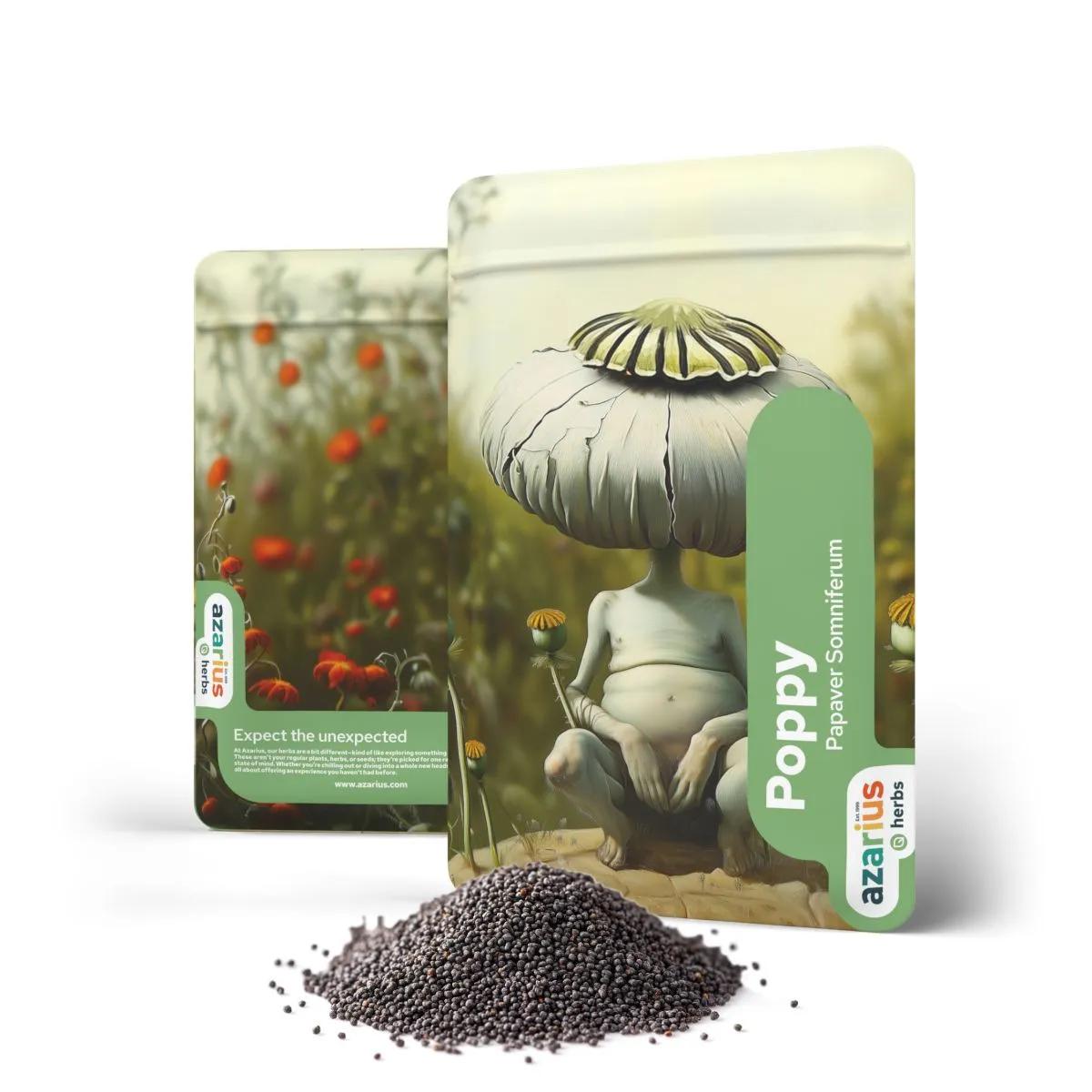
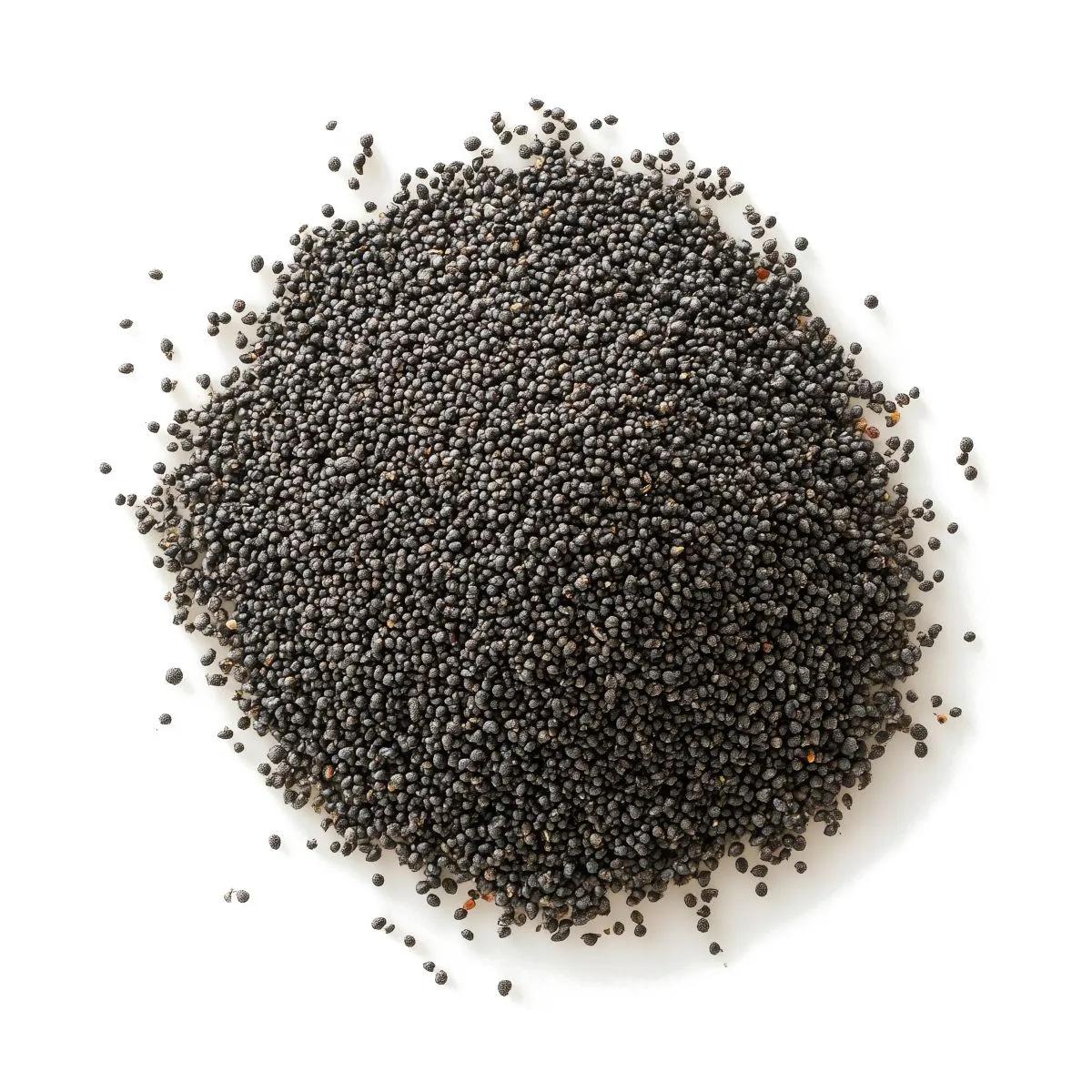
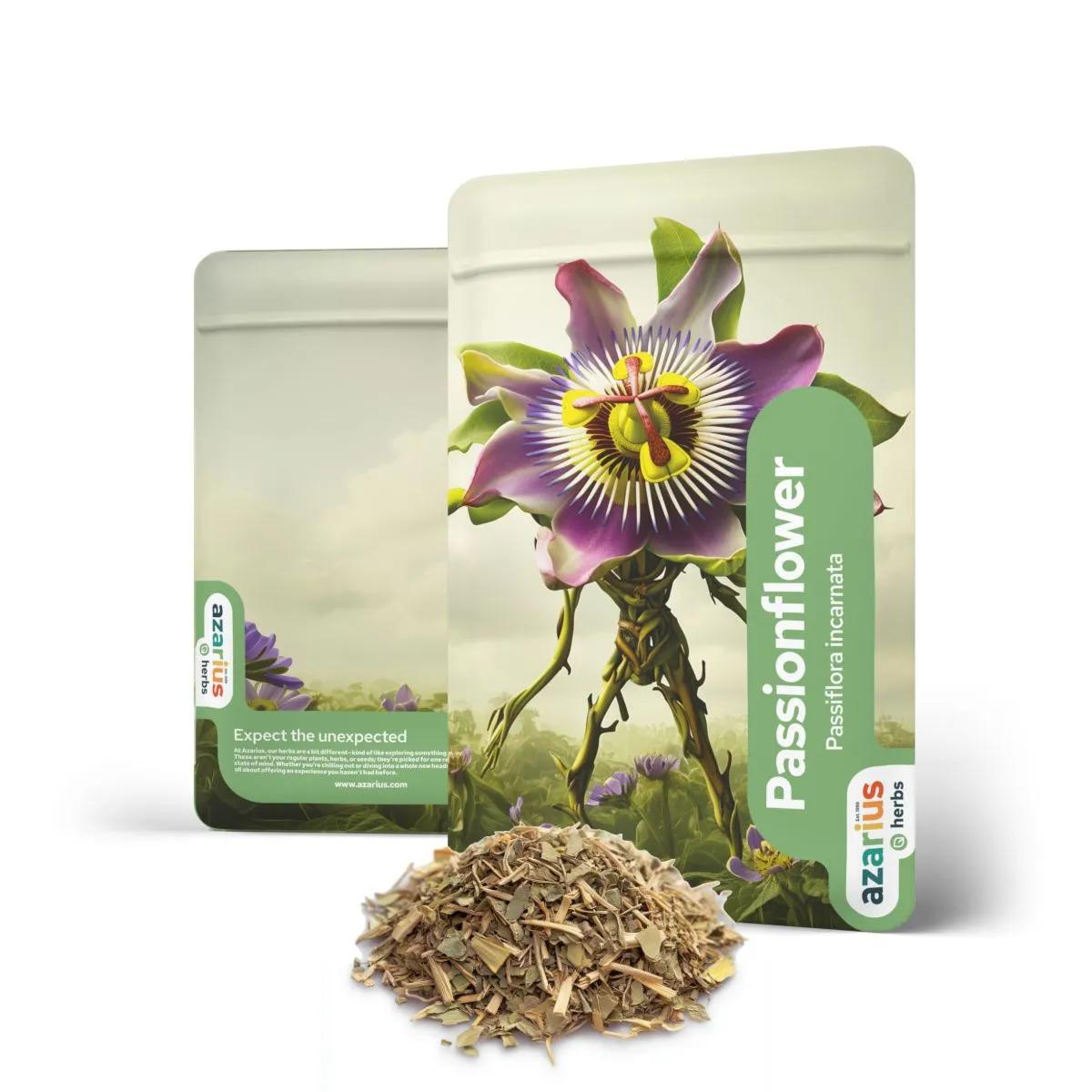
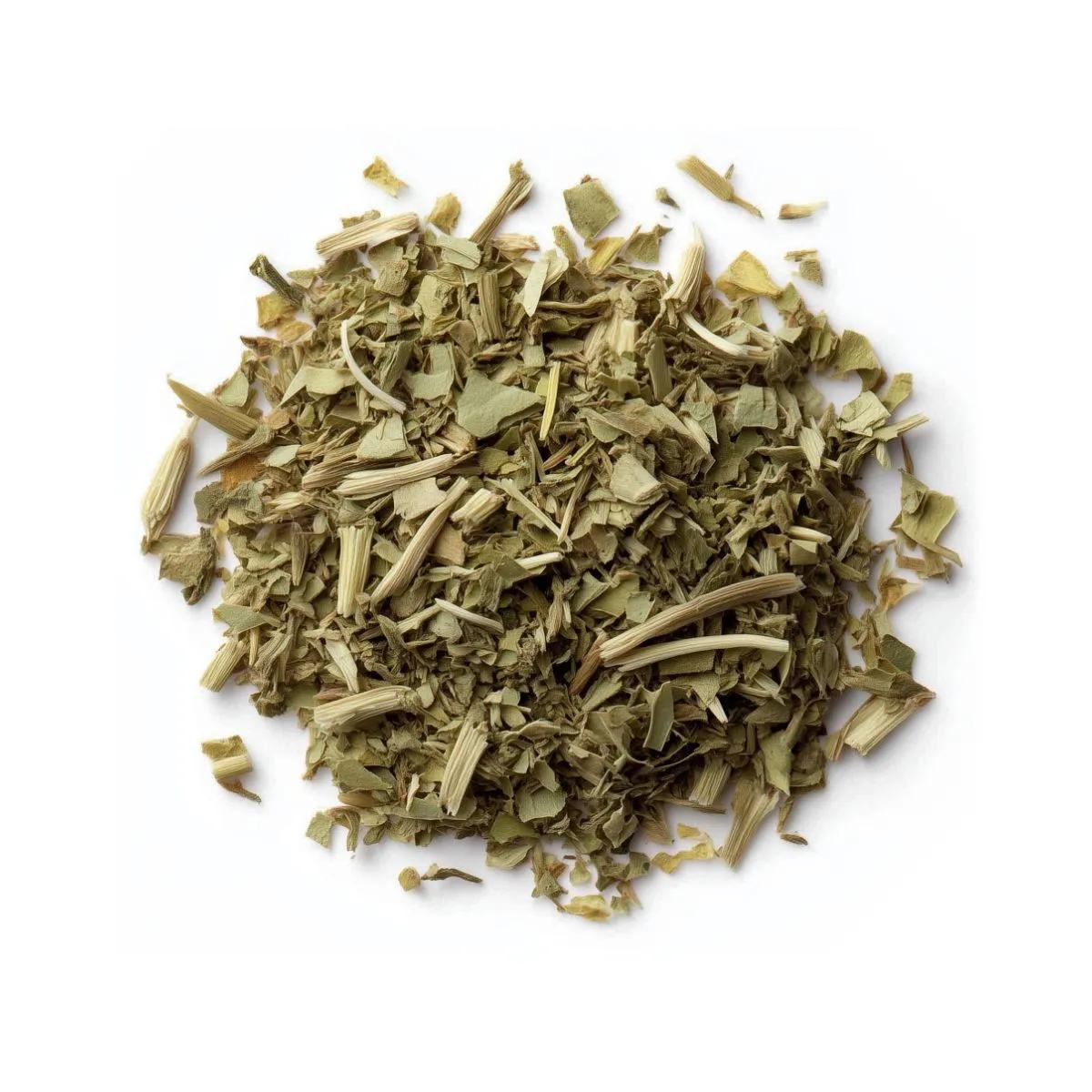
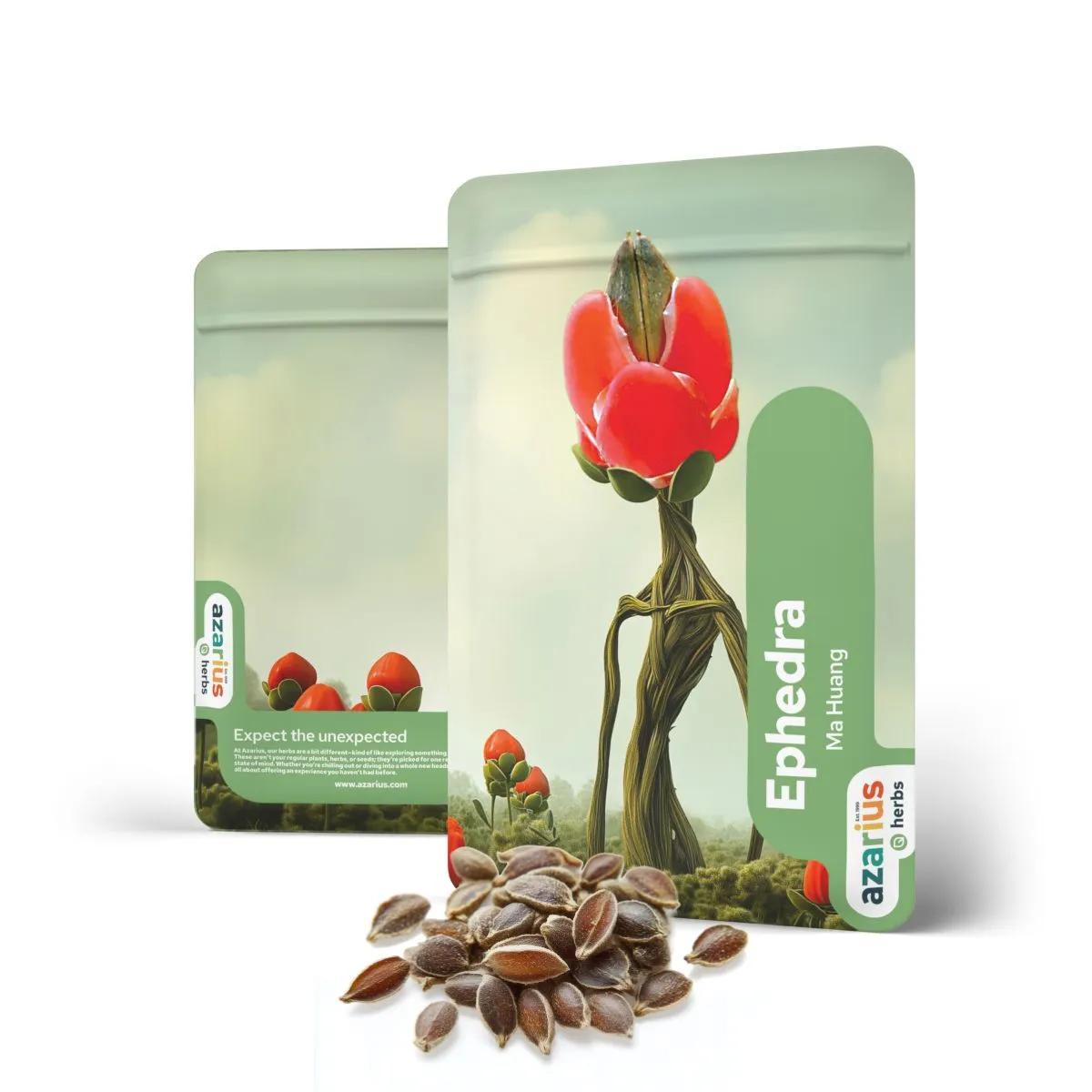
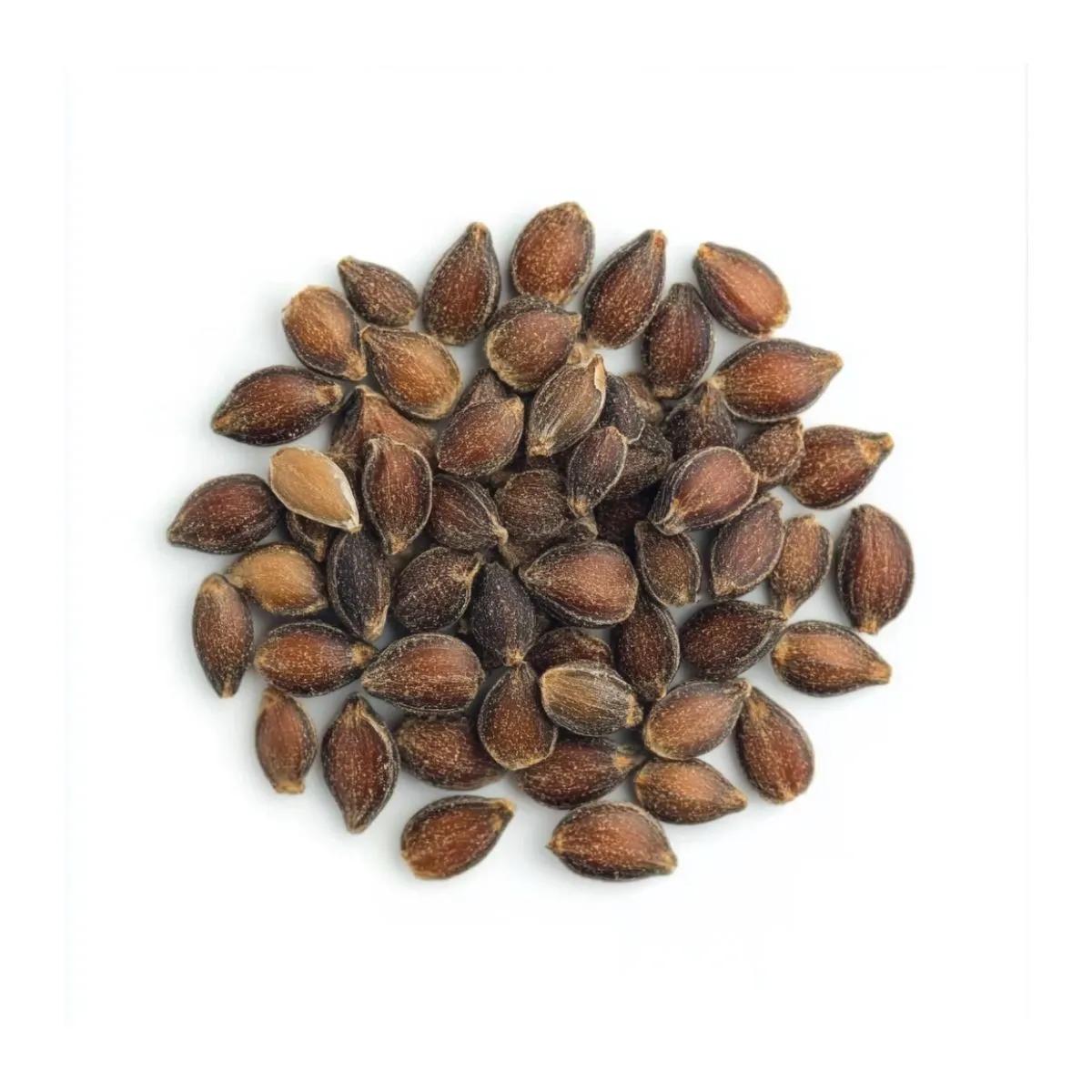
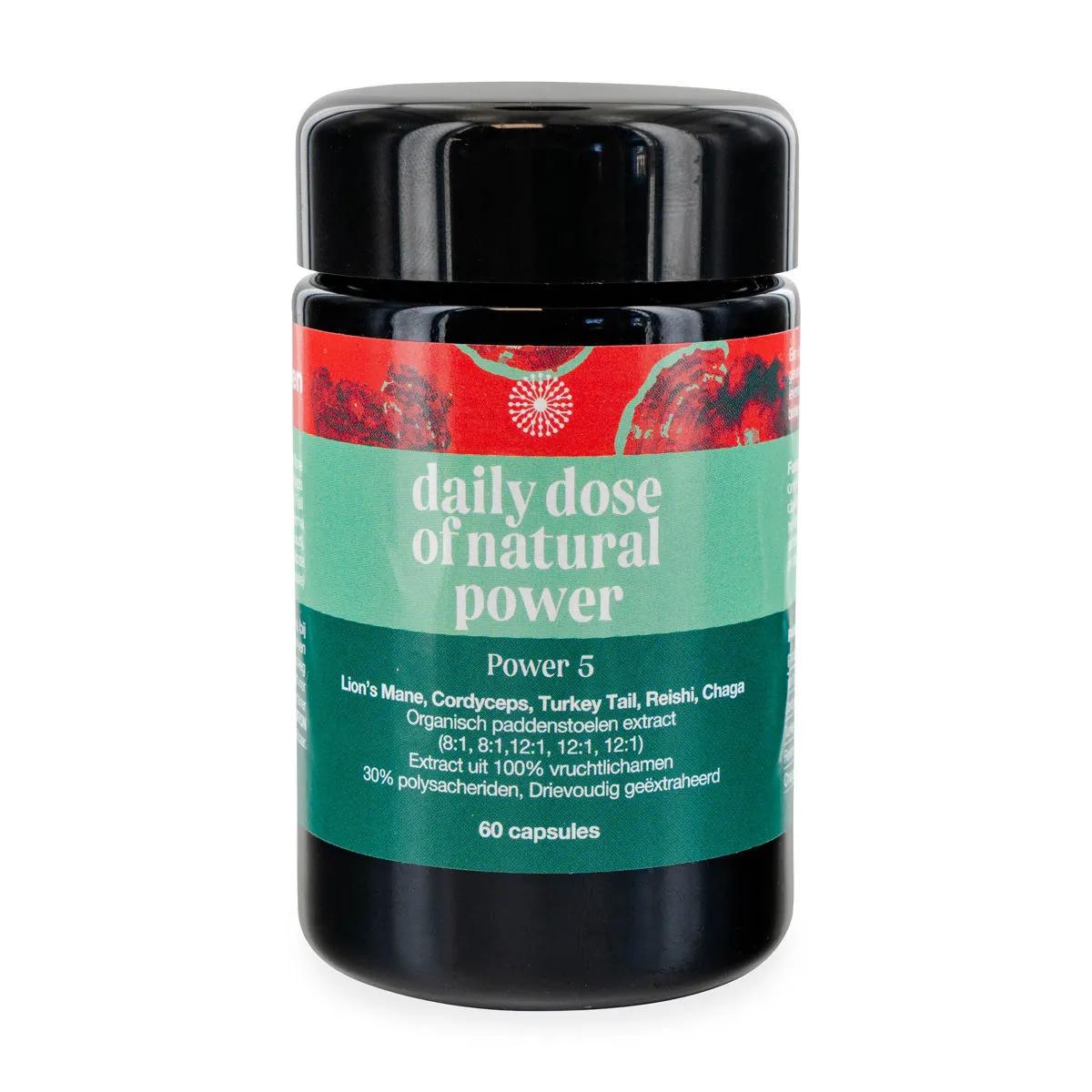
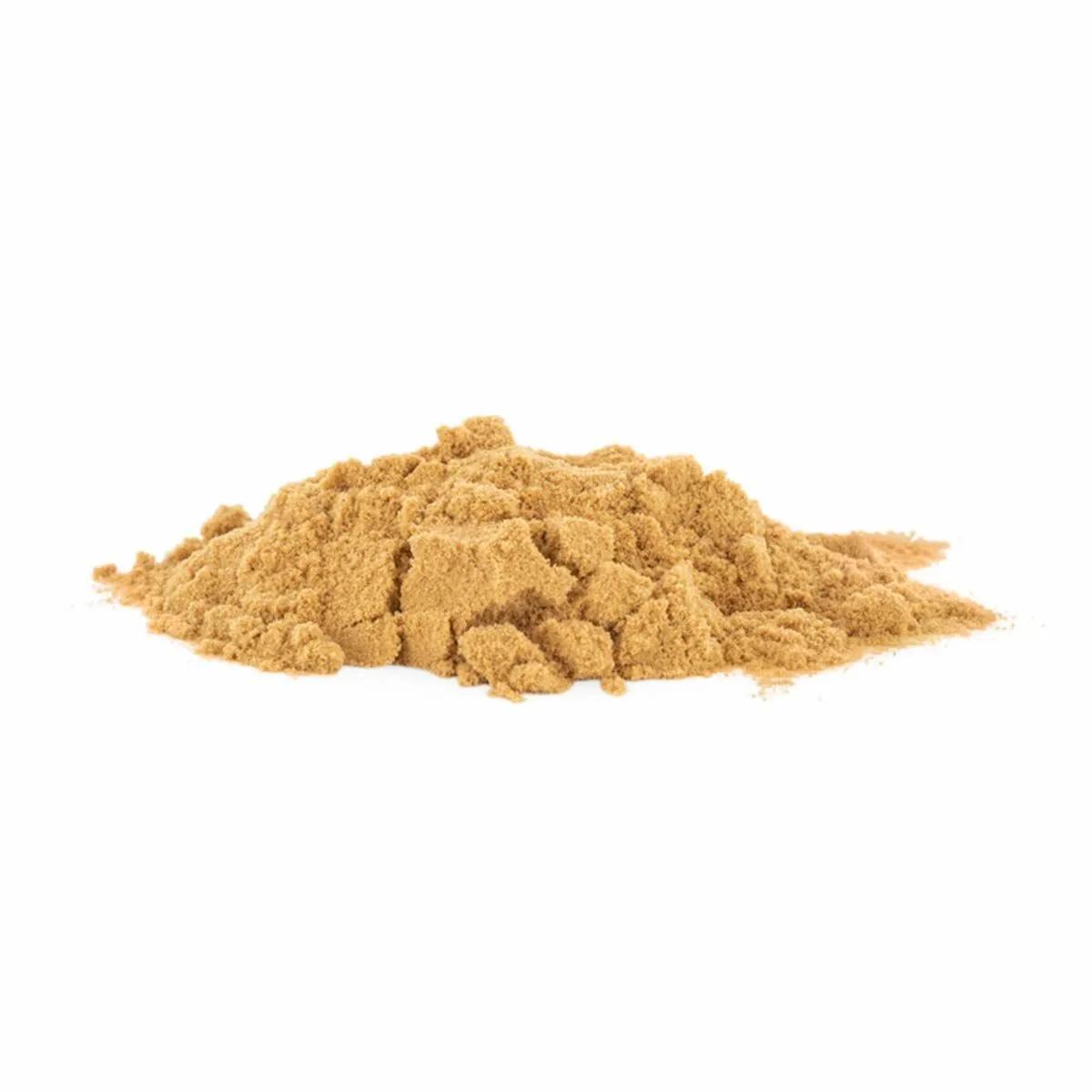
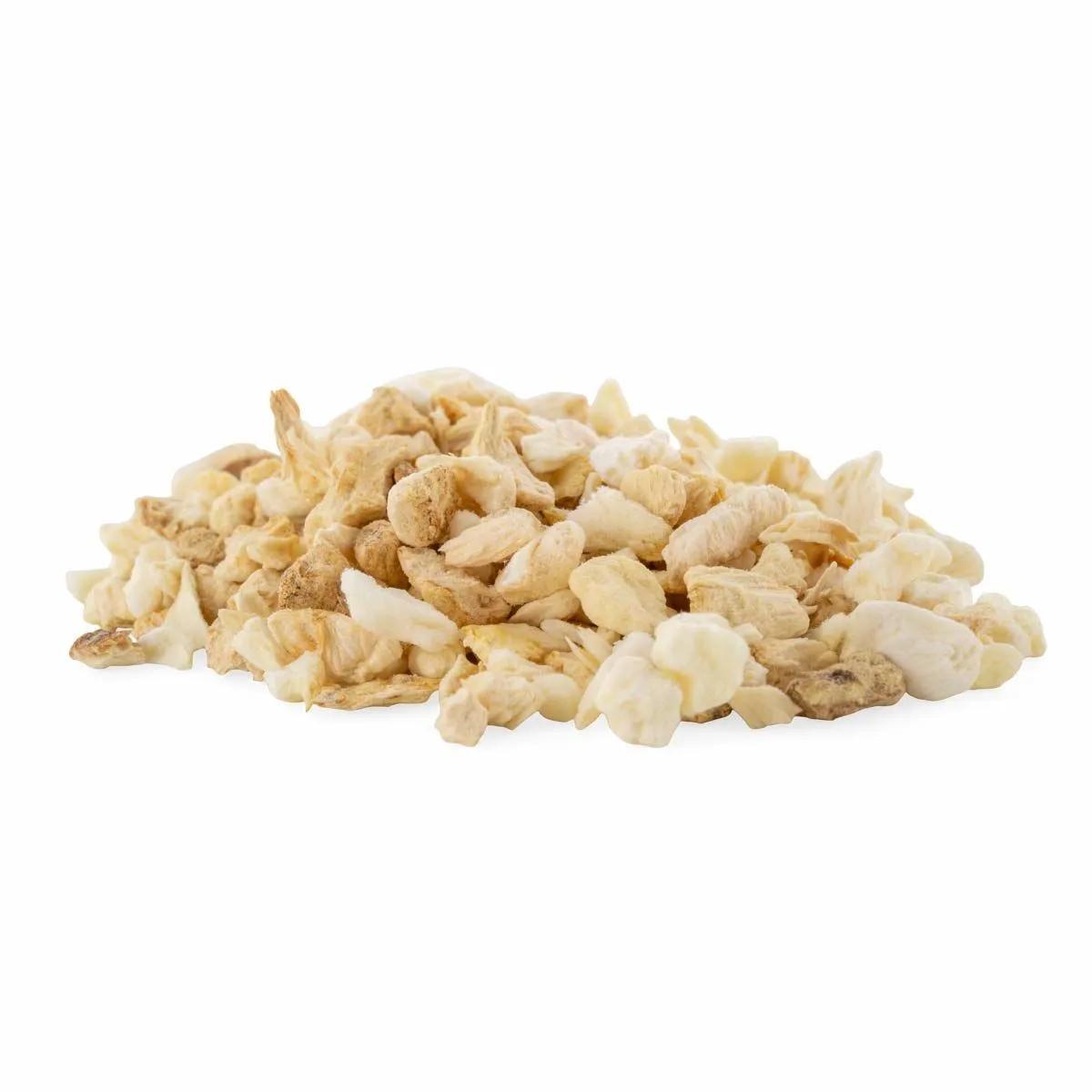
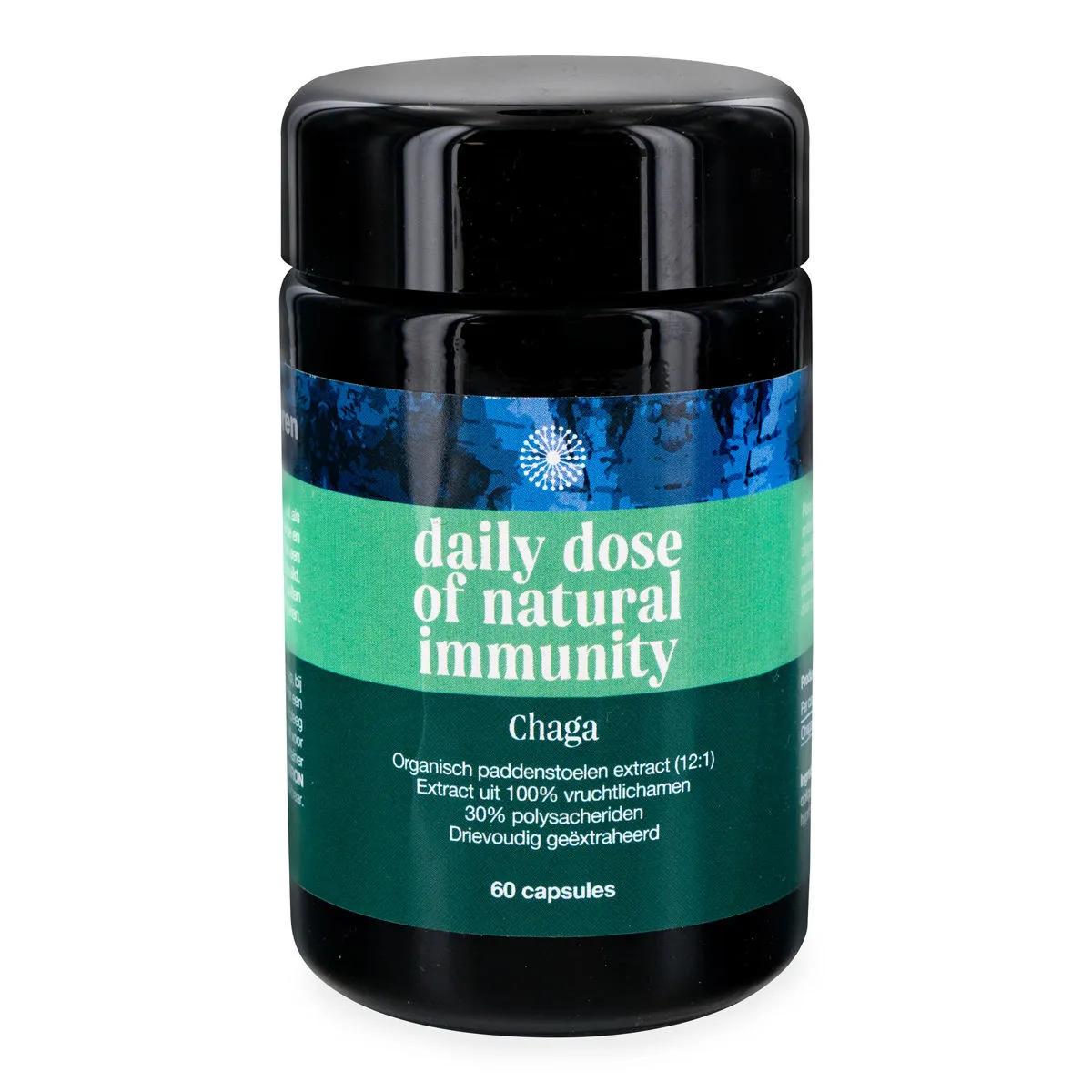
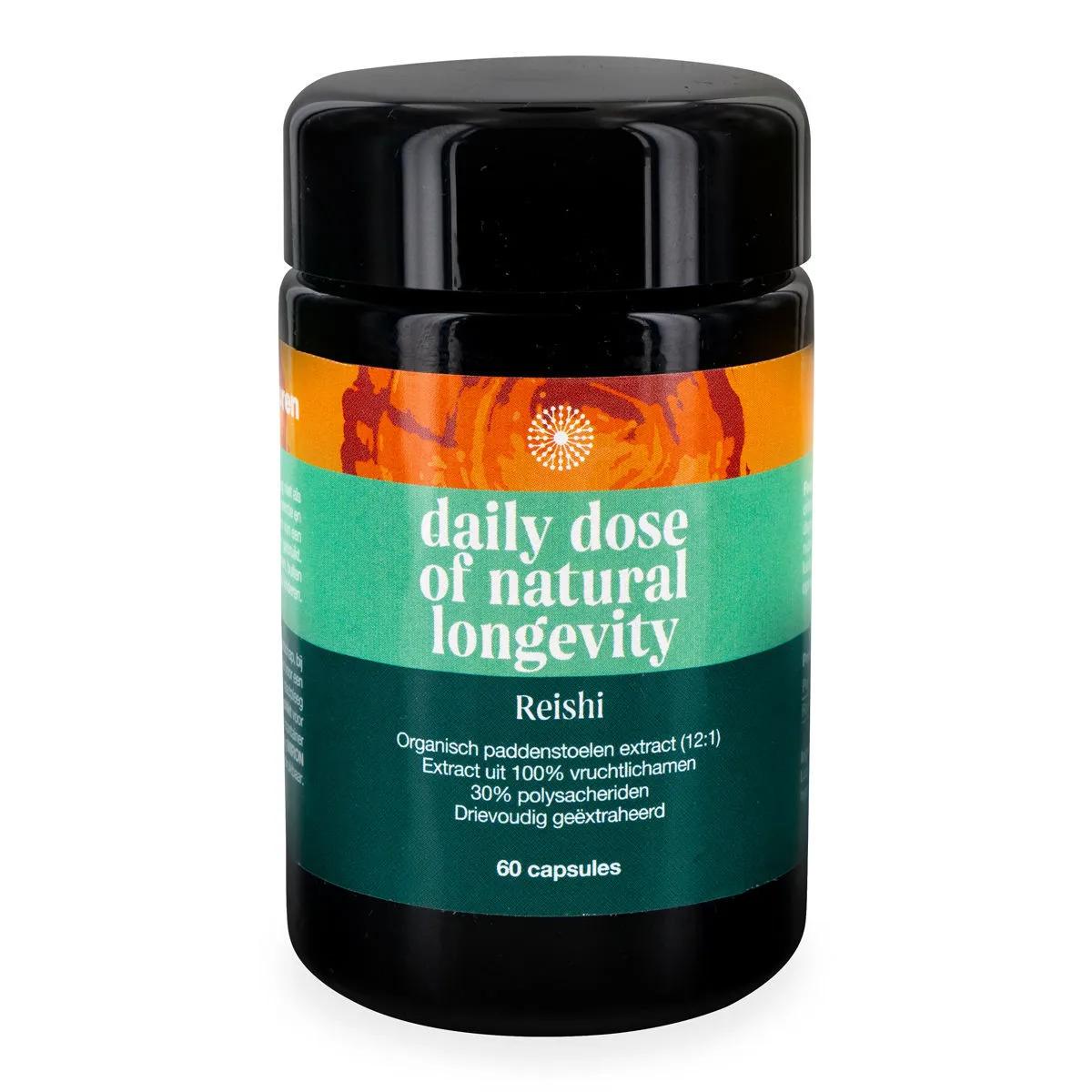
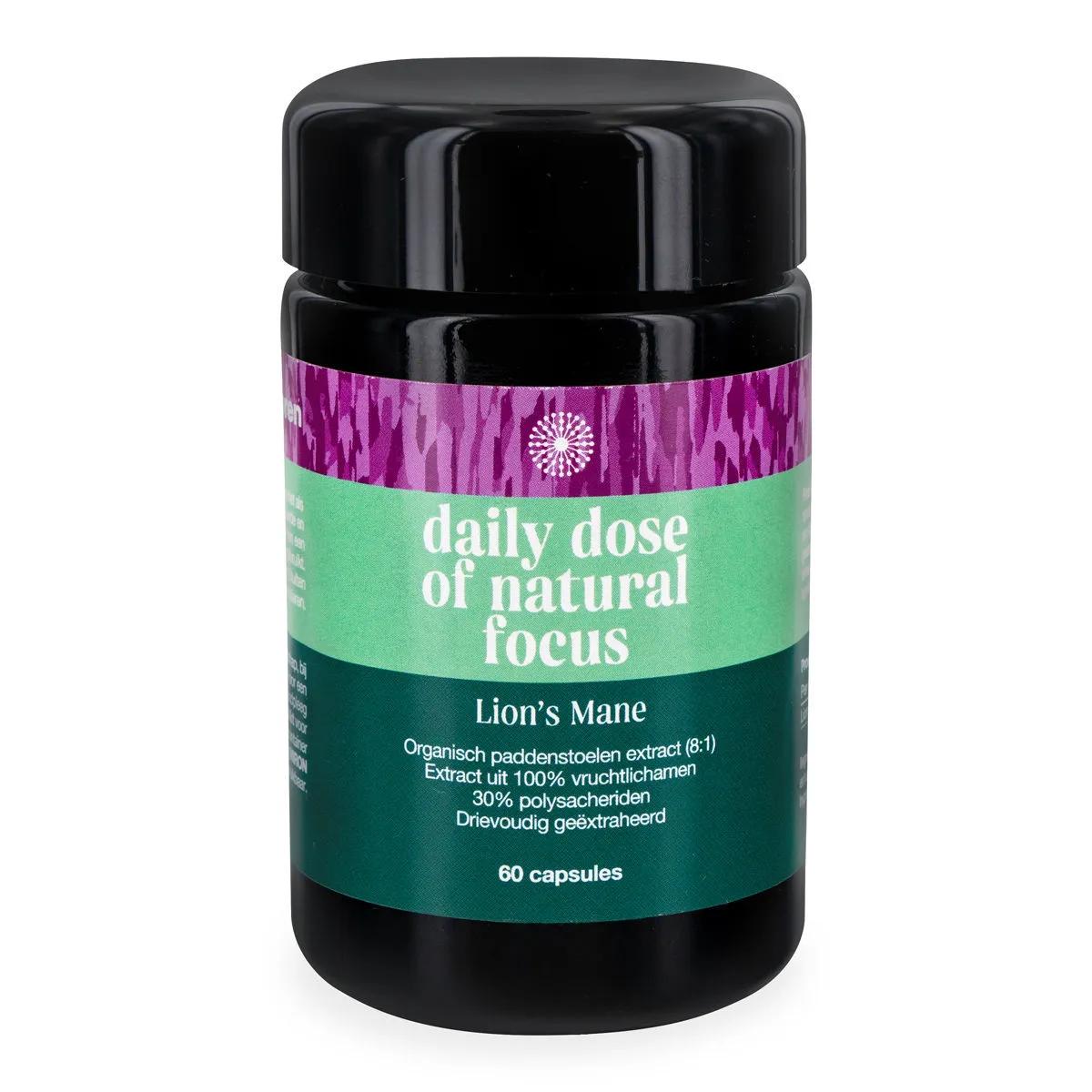
Una herb shop online es una tienda especializada en botánicos, semillas tradicionales y extractos vegetales — no el pasillo de especias olvidadas del supermercado. Azarius funciona exactamente así desde 1999, enviando pedidos por toda la UE durante más de 25 años. Si has llegado hasta aquí, buscas hojas secas, semillas crudas, resinas concentradas, polvos de bienestar o algo intermedio. Empieza por método de preparación o potencia, y encontrarás lo que necesitas rápido.
Una herb shop online es una tienda especializada en botánicos, semillas tradicionales y extractos vegetales — no el pasillo de especias olvidadas del supermercado. Azarius funciona exactamente así desde 1999, enviando pedidos por toda la UE durante más de 25 años. Si has llegado hasta aquí, buscas hojas secas, semillas crudas, resinas concentradas, polvos de bienestar o algo intermedio. Empieza por método de preparación o potencia, y encontrarás lo que necesitas rápido.
Cada artículo de esta categoría encaja en una de cuatro formas, cada una adaptada a un estilo de preparación y nivel de experiencia distinto. La tabla de abajo es la manera más rápida de orientarte entre nuestros 27 productos botánicos.
| Tipo | Potencia / Concentración | Ideal Para | Método de Preparación |
|---|---|---|---|
| Semillas Crudas | Variable (contenido alcaloide según planta) | Preparación tradicional, usuarios experimentados | Molienda, pulverizado, pesaje preciso |
| Hojas Secas | Suave a moderada (potencia de planta entera) | Infusiones nocturnas, relajación suave | Infusión a 80–90 °C durante 10–15 minutos |
| Extractos y Polvos | Concentración de 15x a 25x | Dosificación precisa, efectos más intensos | Dosis medidas, mezcla en bebidas |
| Resinas y Líquidos | 15x (líquido), 20x (resina) | Comodidad o larga vida útil | Mezcla directa (líquido ~20 gotas por 1 mL) o porcionado al gramo (resina) |
Llevamos con esta herb shop online desde finales de los noventa, cuando la única forma de comprar hierbas y semillas así era conocer a alguien que conociera a alguien. Internet lo cambió todo. Nuestro catálogo creció de un puñado de hojas secas al surtido actual de semillas, extractos, polvos culinarios y raíces — todo enviado desde Ámsterdam a los 27 estados miembros de la UE con envío discreto y seguimiento.
Lo que diferencia a una herbshop especializada de una macrotenda de bienestar es la especificidad. Tenemos semillas de Peganum Harmala y raíz de Uvuma-Omhlophe junto a Matcha y Cúrcuma, porque nuestros clientes van desde quien quiere un mejor latte por la mañana hasta quien está metido de lleno en tradiciones etnobotánicas. La mejor herb shop no intenta serlo todo; conoce su terreno y lo surtido bien.
Si eres nuevo en esto, no le des más vueltas. Empieza con hojas secas — Pasiflora, Damiana, Salvia, Ortiga — preparadas como infusiones tradicionales. Son fáciles de manejar, aromáticas y una introducción sólida. Si ya llevas tiempo en esto y quieres comprar extractos etnobotánicos con ratios de concentración medibles, baja hasta la sección de Loto Azul. Vamos al detalle.
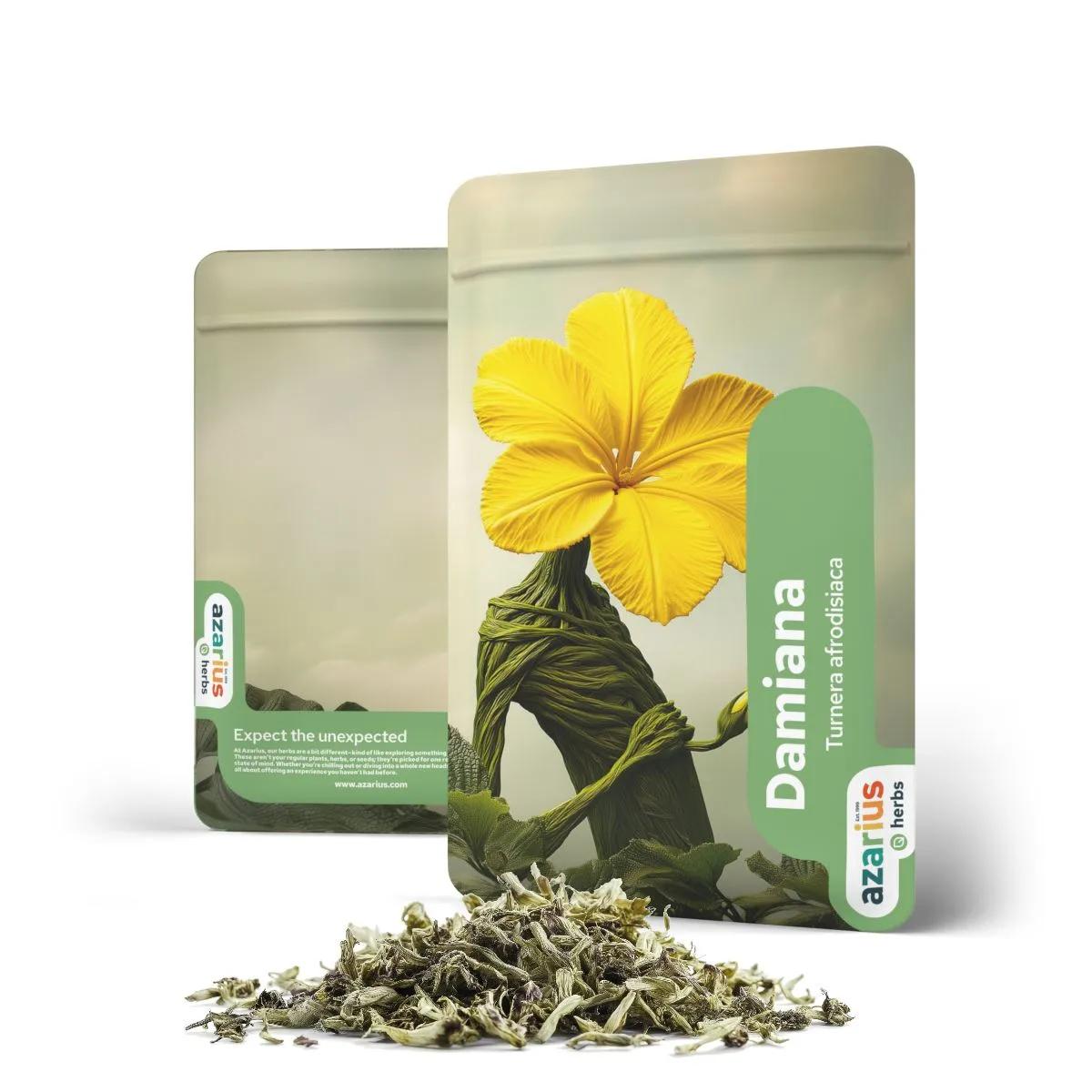
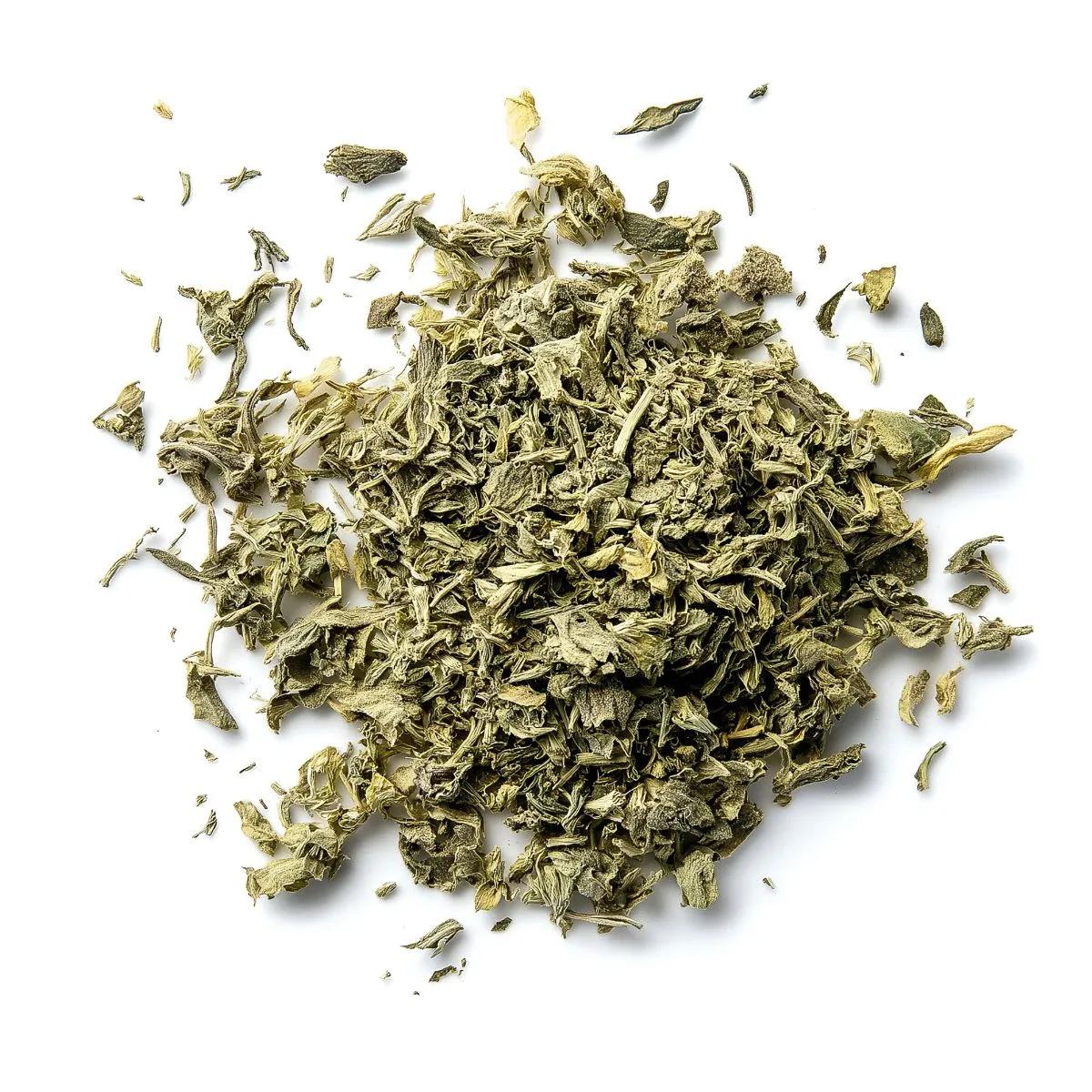
Principiantes: Empieza con hojas de Pasiflora si buscas una relajación suave por la noche. Son fáciles de manejar, sencillas de infusionar y no van a abrumar a quien compra por primera vez. La Damiana es otro gran punto de partida — las hojas trituradas de Damiana liberan un aroma seco, entre manzanilla y salvia, que hace que el ritual de preparación merezca la pena. El tiempo de inicio típico para estas infusiones tradicionales es de 30–45 minutos con el estómago vacío. Las hojas secas se conservan bien: espera una vida útil media de 12–18 meses si las sellas correctamente en un lugar fresco y seco.
Intermedios: Una vez que te manejes con las infusiones, pasa a las flores trituradas de Blue Lotus o a los polvos culinarios como Matcha y Cacao crudo. Te dan más margen de preparación sin exigir una báscula de miligramos. Si dudas entre la Resina de Blue Lotus (20x) y el Extracto Líquido (15x), elige la resina por su mayor vida útil y dosificación precisa al gramo; pide el líquido si quieres mezclar al instante en infusiones sin necesidad de báscula — unas 20 gotas por 1 mL como referencia de dosificación.
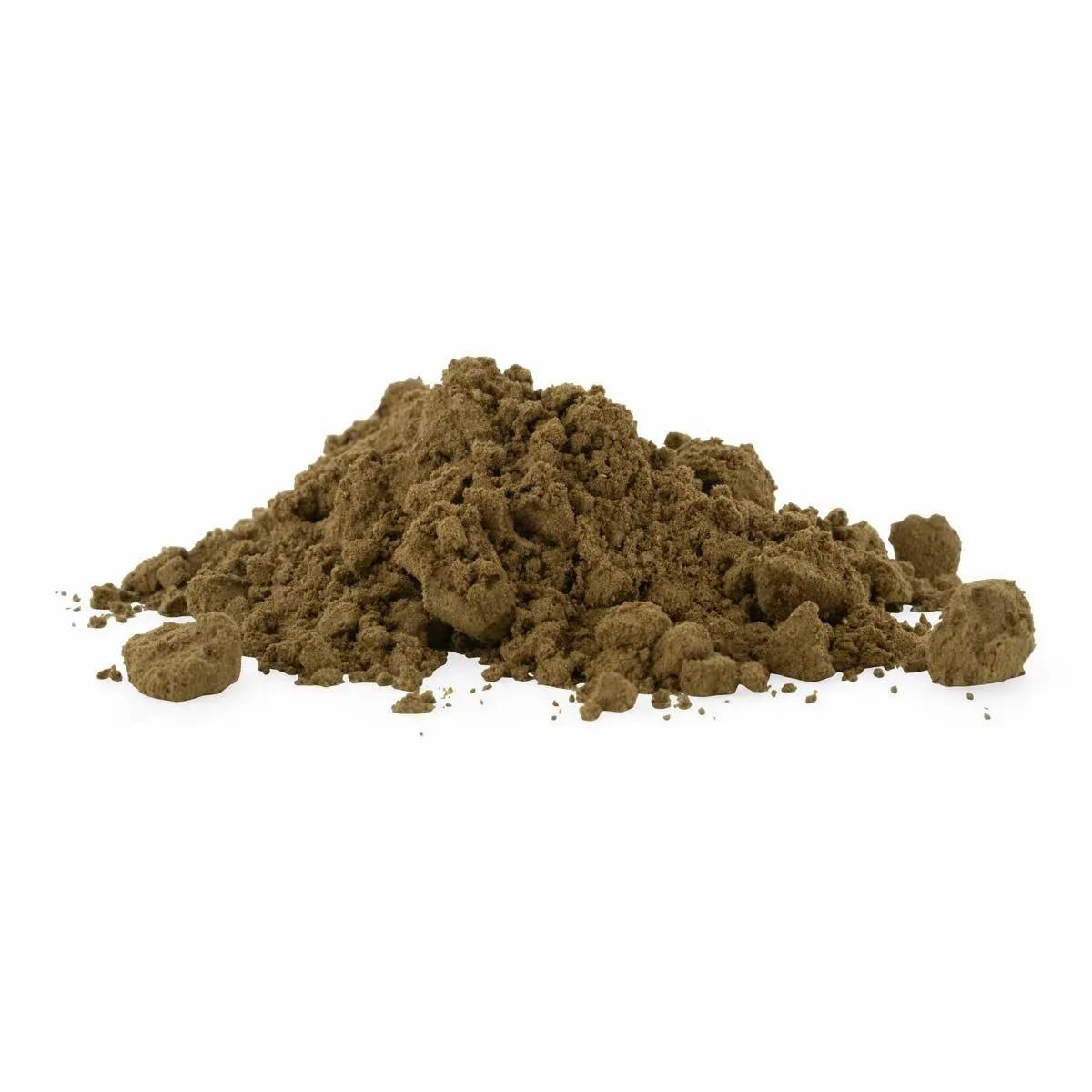
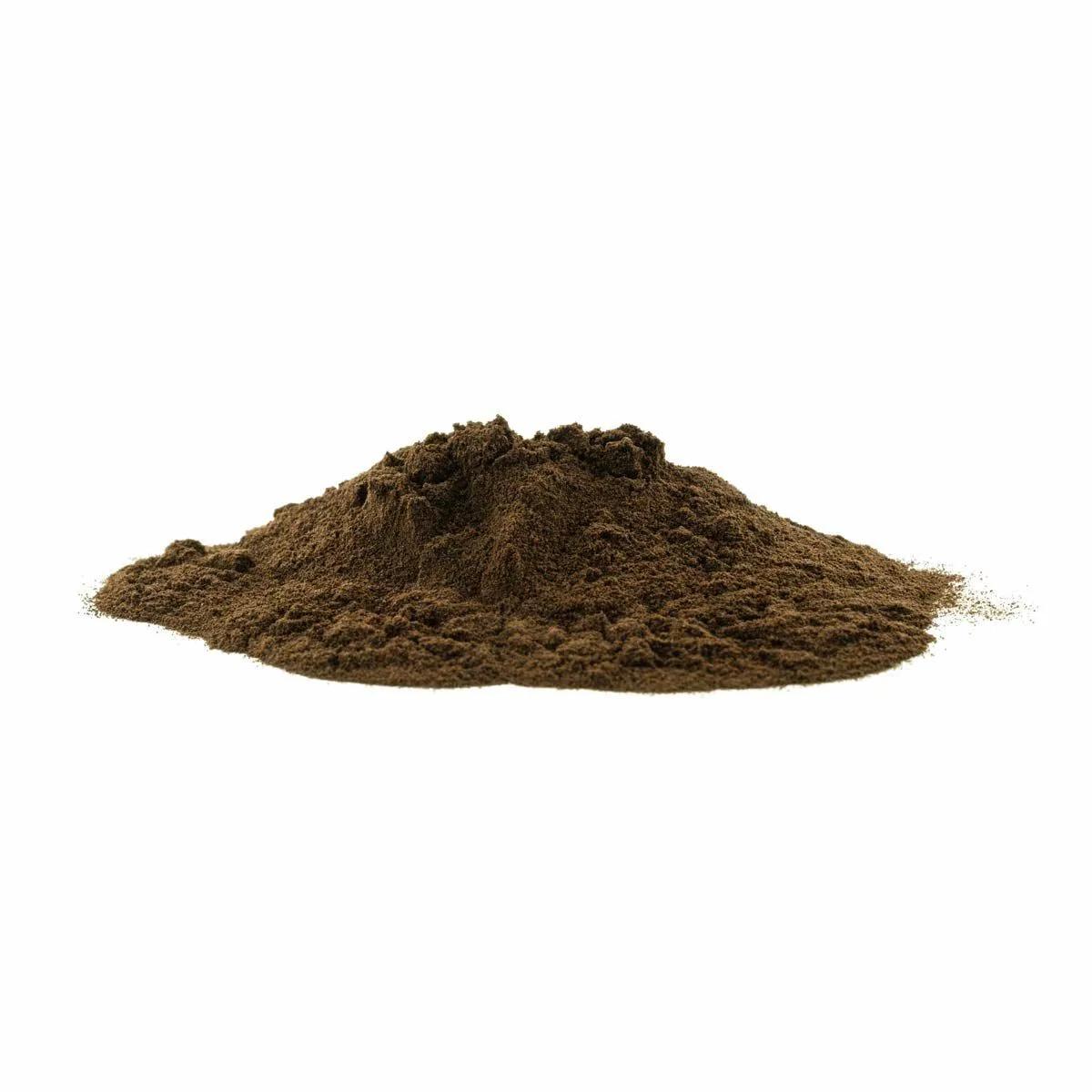
Avanzados: Las semillas crudas como Morning Glory o Baby Woodrose no son de usar y listo. Requieren preparación cuidadosa, pesaje exacto y paciencia. Pásalas de largo si lo que quieres es una bolsita de infusión lista para usar. Lo mismo vale para extractos etnobotánicos como el polvo de Blue Lotus 25x, que al tacto es denso y ligeramente ceroso, con un aroma terroso profundo que se queda en los dedos. Dosificar a esta concentración exige precisión — son 25 gramos de loto crudo en cada gramo de polvo.
Llevamos respondiendo preguntas sobre Blue Lotus vs. Damiana desde principios de los 2000. La respuesta desde nuestro mostrador no ha cambiado: el Loto golpea más fuerte y más rápido, la Damiana es una relajación lenta y suave. Saber dónde te sitúas en ese espectro te dice exactamente por dónde empezar en esta herb shop online.
Las semillas son la columna vertebral de cualquier herbshop online seria, y las nuestras incluyen algunas de las variedades etnobotánicas más buscadas disponibles en la UE.
| Semilla / Hierba | Perfil Tradicional | Preparación | Nota de Almacenamiento |
|---|---|---|---|
| Morning Glory | Potente / Tradicional | Molienda, dosis medidas | Por debajo del 60 % HR, menos de 20 °C |
| Baby Woodrose | Potente / Tradicional | Molienda, pesaje cuidadoso | Por debajo del 60 % HR, menos de 20 °C |
| Peganum Harmala | Potente / Tradicional | Molienda o decocción | Por debajo del 60 % HR, menos de 20 °C |
| African Dream | Potente / Tradicional | Molienda o infusión | Por debajo del 60 % HR, menos de 20 °C |
| Pasiflora | Suave / Nocturna | Infusión, 10–15 min a 80–90 °C | Hermético, alejado de la luz |
| Damiana | Suave / Nocturna | Infusión, 10–15 min a 80–90 °C | Hermético, alejado de la luz |
Todas las semillas deben almacenarse por debajo del 60 % de humedad relativa para mantener su viabilidad y estabilidad alcaloide. Guárdalas a menos de 20 °C en tarros de cristal herméticos, lejos de la luz directa. Los extractos se degradan más rápido si se exponen al calor o al oxígeno, así que las mismas reglas aplican pero con más urgencia — resella inmediatamente después de cada uso.
Comprar en una herb shop online debería ser sencillo, así que aquí tienes el orden de operaciones cuando quieras pedir extractos o polvos para incorporarlos a tu rutina:
Para el lado culinario y de bienestar — Cúrcuma, Matcha, Jengibre, Triphala, Harad y Cacao crudo — la preparación es más sencilla. Se mezclan directamente en bebidas, batidos o comidas. Sin báscula, sin tiempos de reposo. Son el punto de entrada más fácil si quieres comprar hierbas y semillas sin curva de aprendizaje.
¿Vas a preparar Pasiflora o Damiana esta noche? Combínalas con nuestro Matcha o Cacao crudo como contrapartida matutina — infusión suave por la noche, mezcla energizante por la mañana.
Es una tienda especializada en botánicos, semillas tradicionales y extractos vegetales — diferente de una tienda de alimentación o bienestar genérica. Una herbshop online como Azarius tiene semillas etnobotánicas, extractos concentrados, hojas secas y polvos culinarios bajo un mismo techo, con conocimiento específico sobre la preparación y uso tradicional de cada producto.
Empieza asociando el método de preparación tradicional de la planta — infusión, molienda o extracto — con tu objetivo. Si quieres una infusión suave por la noche, comienza con opciones de baja potencia como Damiana o Pasiflora. Para efectos más intensos, mira los extractos concentrados. Siempre empieza por la opción más suave de una categoría y ve subiendo.
Sí. Un polvo 25x significa que 25 gramos de materia vegetal cruda se condensan en 1 gramo de producto final, así que la dosificación exige precisión. La gama de Blue Lotus va de 15x (líquido), 20x (resina) a 25x (polvo). Trátalos con respeto — mide con cuidado y espera 30–45 minutos de inicio antes de ajustar.
Guárdalas en tarros de cristal herméticos, lejos de la luz directa y la humedad, para preservar los compuestos activos y evitar moho. Las semillas necesitan almacenamiento por debajo del 60 % de humedad relativa y a menos de 20 °C. Las hojas secas duran 12–18 meses bien selladas. Los extractos se degradan más rápido con calor u oxígeno, así que resella inmediatamente.
Enviamos a toda la UE — los 27 estados miembros — bajo la libre circulación de mercancías, con embalaje discreto y envío con seguimiento. Llevamos haciendo esto desde Ámsterdam más de 25 años, así que el proceso está más que rodado.
Última actualización: abril de 2026
Aviso médico. Este contenido es únicamente informativo y no constituye asesoramiento médico. Consulta a un profesional sanitario cualificado antes de consumir cualquier sustancia.